
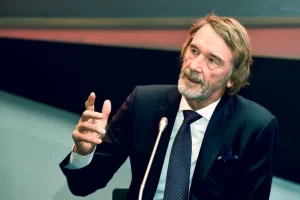
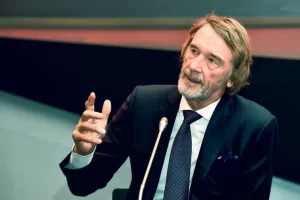
Sir Jim Ratcliffe is once again fighting for survival at Ineos, as the industrial giant grapples with an £18bn debt mountain and an increasingly hostile debt market.
Nervous bondholders have begun dumping Ineos debt at distressed prices amid a deep downturn in the global chemicals industry, opening the door for aggressive Wall Street hedge funds that specialise in exploiting corporate distress. Around £5bn of Ineos borrowings are now trading at levels that suggest investors are pricing in a serious risk of default.
For Ratcliffe, it is an uncomfortably familiar moment. In the wake of the global financial crisis, Ineos came within hours of collapse after breaching debt covenants, surviving only after a brutal restructuring with its lenders that cost hundreds of millions in fees and higher interest payments. The tycoon later described the experience as being at the mercy of “rapacious” creditors.
This time, the stakes are higher. Borrowings across Ineos Group Holdings and Ineos Quattro Holdings — which together represent around two-thirds of the empire — rose by almost £3bn in the past year alone, taking combined debt beyond £18bn. Annual debt servicing costs have surged to £1.8bn, up £600m year-on-year.
Bond markets have reacted swiftly. Large tranches of Ineos debt that were trading above 90 cents on the dollar in October have since slipped into the low 70s and 80s. According to S&P Global Market Intelligence, short sellers have piled into certain Ineos bonds at an unprecedented pace, signalling bets that prices still have further to fall.
Credit ratings agencies have added to the pressure. Moody’s has downgraded Ineos twice since September, citing a sharp deterioration in operating performance. Turnover fell 20 per cent, while pre-tax earnings plunged 55 per cent. The agency warned of “weak debt metrics”, with leverage running at 13.5 times earnings against a backdrop of overcapacity, weak demand and high energy and regulatory costs.
Industry figures say the numbers are stark. One executive described the third-quarter performance as “dreadful”, warning that rising refinancing costs could push the company closer to the edge if markets remain closed.
The slump has drawn the attention of distressed debt specialists, including funds linked to Elliott Management, whose tactics have made it a feared presence in boardrooms. Such investors often seek full repayment through litigation or attempt to engineer debt-for-equity swaps that wrest control from existing owners.
Ratcliffe has blamed Ineos’s predicament on a toxic mix of high European energy costs, global trade disruption and cheap Chinese imports flooding the market. He has been particularly outspoken about Europe’s net zero policies, arguing carbon costs are “killing manufacturing”. In April, Ineos shut Britain’s last oil refinery at Grangemouth, costing 400 jobs, and has since announced plant closures across Germany and the US.
Cost-cutting has followed a familiar Ratcliffe playbook. Operations have been shuttered, hundreds of staff laid off, sponsorships pulled and non-core assets sold. Even the billionaire’s sporting ambitions have been reined in, with Ineos exiting high-profile partnerships and writing off hundreds of millions tied up in its Belstaff acquisition.
Yet cuts alone may not be enough. A flagship new plastics plant under construction in Belgium, Project One, is intended to revitalise European production but will add a further £3bn of debt. Ratcliffe has acknowledged that, with today’s market conditions, the project might never have been approved.
Some advisers warn that completing it risks “throwing good money after bad”. Others argue abandoning it would destroy long-term competitiveness.
Banks are watching closely. Barclays, which once played a pivotal role in rescuing Ineos during the financial crisis, recently warned that Europe’s chemicals groups must prioritise debt reduction or risk becoming “worthless” in the next downturn.
Ineos insists it has learned from the past and says it retains tight control over costs and liquidity. Insiders argue the company is better prepared than it was 15 years ago.
But as bond prices slide and activist creditors circle, the final outcome may no longer rest solely in Ratcliffe’s hands.
Read more:
Ratcliffe battles to keep Ineos afloat as £18bn debt pile draws in vulture funds