
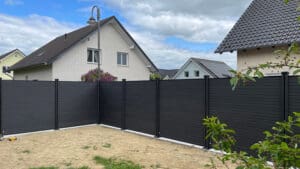

Fence posts are very important for any kind of fencing. Even if the panels or mesh are strong, the whole thing relies on the posts that hold it up.
Picking the right fence posts makes sure your fence stays strong for a long time. It helps your fence stand up to bad weather, and you will not have to fix it as often. Knowing about the different types of materials, how they are treated, and how to put them in can help you pick the best option that will last.
Choosing the Right Material for Weather Resistance
The kind of post you use is important. It helps the fence last longer and handle bad weather. Every type has its own strong points. Some can last for more years, and some are easier to look after.
Common fence post materials include:
- Steel posts are known for being very strong and tough when hit
- Treated wooden posts, made to keep away rot and bugs
- Concrete posts are good for staying in place and for lasting a long time
- Composite posts are good at keeping out water and not breaking down
The right fence posts materials can change based on things like the weather, the soil, and how much safety you need. If there is a lot of rain or a lot of damp air, it is good to use things that are not wood. These will help the material not take in water.
Understanding Protective Coatings and Treatments
Weather resistance is not just about what the post is made of. A good coating and some treatments can make your fence posts last much longer. These help to keep them safe from things like rain and sun.
Galvanized or powder-coated steel posts do not rust or wear out fast, even if you have them in a wet place or close to the sea. Pressure-treated wood posts have special chemicals that slow down rotting and keep bugs away. These steps help stop posts from breaking down. They also help posts stay strong for a long time.
Considering Soil Conditions and Ground Contact
Soil type can change how fence posts work. Clay soil holds a lot of water. Sandy soil can move around a lot. Rocky soil makes putting in posts harder. Posts that are put right in the soil need to deal with water and weight all the time.
To make posts last longer, they should be put in at the right depth and secured at the base. Sometimes, gravel or concrete is added at the bottom. It helps water flow out and keeps the posts steady. This can stop problems like rotting, rust, or posts moving because of wet or loose soil.
Installation Quality and Long-Term Performance
Even strong fence posts can fall if you do not install them the right way. The way you space, line up, and secure the posts will help them last a long time. If posts are not set in solid ground or are not straight, they can move when pushed. This can make the fence look uneven.
When the posts are put in by a skilled person, or you follow the installation steps carefully, they can deal with things like the weather much better. Putting the posts in the right place helps spread out the weight and stops them from moving when there is wind, rain, or if things shift under them.
Balancing Longevity With Maintenance Needs
Fence posts that do well in the weather should not need a lot of care over time. Materials that have finishes to keep them safe and that stay strong will help you check or fix them less often.
Choosing strong fence posts from the start helps save time and money over the years. If you pay attention to the quality of what the posts are made of, the best ways to treat them, how well they do with the soil, and if you put them in the right way, you can pick fence posts that hold up well. These posts will work well and last for many years, no matter where you use them.
Read more:
How to Select Fence Posts That Stand Up to Weather and Wear