
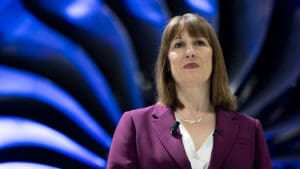

Rachel Reeves will deliver her Spring Statement on March 3, just over three months after her November Budget, in what is expected to be a lower-key fiscal event focused more on forecasts than fresh policy announcements.
Unlike the autumn Budget, the Spring Statement is not expected to contain tax rises or major spending cuts. Reeves has pledged to limit significant fiscal changes to a single annual event, giving herself £21.7bn of headroom in November to avoid returning with further measures before the autumn.
Nevertheless, the update will be closely watched as the Office for Budget Responsibility publishes revised forecasts for growth, borrowing and the public finances.
Although the OBR will no longer formally assess performance against fiscal rules twice a year, economists will scrutinise its projections to determine whether the government remains on track.
Some analysts expect a modest increase in Reeves’s fiscal headroom to around £24bn. A fall in that buffer could reignite speculation about future tax rises, particularly if weaker growth or higher borrowing narrows the margin. Conversely, a significant rise in headroom could intensify pressure from within Labour to loosen spending plans.
Ruth Gregory of Capital Economics has warned the statement could become “another flashpoint” if fiscal space tightens. James Smith of the Resolution Foundation said the government should not allow economic policy to stall until the autumn, arguing that more should be done to address sluggish growth and rising unemployment.
No tax rises – for now
Fresh tax measures are not expected in March, but debate over fiscal strategy is likely to intensify. The Institute for Fiscal Studies has argued that frequent adjustments driven by narrow headroom targets create instability and undermine long-term policymaking.
The IFS has proposed a shift towards a broader “fiscal traffic lights” framework to reduce the need for rushed policy changes when forecasts fluctuate.
The statement also comes after controversy at the OBR, which accidentally published market-sensitive material ahead of the November Budget. Former chair Richard Hughes stepped down following the incident, and the watchdog will release its new forecasts without a permanent successor in place.
With the government prioritising economic expansion, Reeves is expected to reiterate commitments to boost investment, support employment and stabilise public finances.
While the Spring Statement may lack the drama of a Budget, it will provide an important snapshot of the UK’s economic trajectory, and a signal of whether the chancellor’s fiscal strategy remains intact ahead of what could be a more consequential autumn showdown.
Read more:
Spring Statement 2026: what could Rachel Reeves announce?